Veneers, Bonding, or Whitening: Comparing Cosmetic Dentistry in Bend, OR
Cosmetic dentistry in Bend, OR, covers many treatments, but three handle most smile concerns: whitening for stains, bonding for small chips, and veneers for larger changes in shape, color, or spacing. Each one solves a different problem. Matching the treatment to the goal helps the result look natural and keeps the process simple.
Whitening Targets Stains, Not Shape
Whitening changes the color of teeth and leaves their shape alone.
Years of staining can dull a smile, and professional teeth whitening can lift much of it. It works best on teeth that are healthy and simply discolored. Active gum disease or untreated decay is usually addressed first, so the exam comes before any whitening.
Whitening does not fix chips, gaps, or uneven edges. Patients with those concerns often pair it with another treatment from the menu of cosmetic dentistry in Bend, OR.
Bonding Repairs Small Chips and Cracks
Bonding repairs minor chips and cracks with very little preparation.
The dentist shapes tooth-colored composite resin directly onto the tooth. Because the resin is built right on the surface, the work usually asks for minimal changes to the natural tooth.
Bonding suits small flaws. Larger damage may need a stronger restoration, and the dentist can explain when that is the case. Bonding can also be combined with whitening or veneers when a smile has more than one concern.
Veneers Reshape Color, Edges, and Gaps
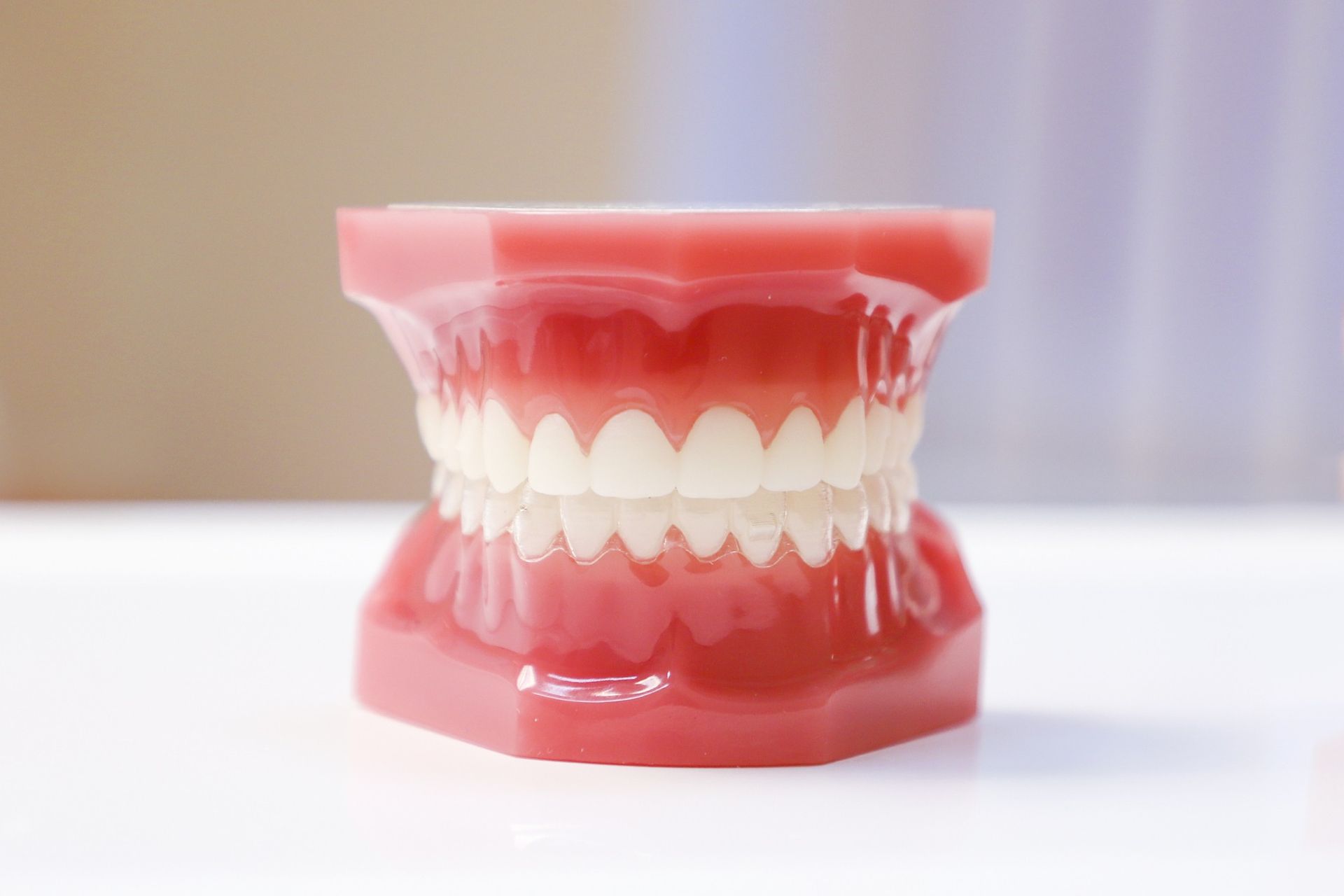
Veneers are thin porcelain shells that cover the front of a tooth.
Each shell is custom made and bonded in place. Together they can correct chips, gaps, discoloration, and uneven edges in one coordinated change.
Because veneers cover the visible surface, they can change several things about a tooth at once. With proper care, porcelain veneers can last over a decade. Patients unsure whether a
damaged tooth needs a veneer or a crown can compare the two options before deciding. A consultation shows how much of the tooth remains and which option fits the goal.
Matching Each Treatment to the Goal
The right choice usually follows the main concern.
▸ Stained or dull teeth. Whitening is often the first treatment to consider. It changes color without altering the tooth, so it suits teeth that already have a good shape.
▸ A small chip or crack. Bonding often fits here. The resin is shaped right on the tooth, which keeps the treatment small.
▸ Gaps, uneven edges, or several flaws at once. Veneers can address many of these together. They also create the most noticeable change, so they suit larger goals.
▸ A mix of concerns. A smile makeover can combine treatments in a planned order. Whitening, bonding, and veneers may each play a part.
No single option is best for everyone. A consultation compares them against the actual condition of the teeth, which is the most reliable way to choose.
Who Benefits From Cosmetic Treatment
Most healthy adults are candidates for at least one smile procedure.
Patients with stained, chipped, uneven, or gapped teeth often seek treatment, as do people who feel self-conscious when they smile. Some plan a change before a wedding or a career move. In Central Oregon, an active, four-season lifestyle is one reason many locals invest in a smile they feel proud of.
How Long Each Option Lasts
Results vary by treatment, so expectations should match the choice.
Porcelain veneers can last over a decade with proper care. Bonding may need refreshing sooner, since resin can wear over time. Whitening results also differ from person to person, and daily habits may affect how long they hold.
Brushing, flossing, and regular checkups help every option last longer. Avoiding habits like chewing on hard objects can also prevent damage to bonding and veneers.
What the Planning Process Looks Like
Good cosmetic work begins with a plan, not a procedure.
1. A consultation reviews oral health and smile goals. Active gum disease or untreated decay is typically addressed first, since healthy teeth give the best foundation.
2. The dentist presents a personalized treatment plan. It outlines which procedures are recommended and in what order.
3. Treatment is completed at a pace that fits the patient's schedule and comfort level. Combining several treatments may take more than one visit.
4. The patient leaves with results and guidance on keeping the smile looking its best. Good home habits protect the work.
Questions Patients Ask About Cosmetic Dentistry
Does Insurance Cover Cosmetic Dentistry?
Standard dental insurance may not cover cosmetic dentistry in Bend, OR, since these procedures are elective. Restorative treatments, such as bonding or crowns, may qualify for partial coverage, so it helps to ask both the office and the insurer before booking.
What Is the Difference Between Cosmetic and Restorative Dentistry?
Cosmetic treatment improves the look of a smile, while restorative dentistry repairs function and structure. Many treatments, such as crowns or bonding, serve both purposes, which is why the two are often planned together.
Can Several Treatments Be Combined?
Yes, many patients combine whitening, veneers, or bonding into one smile makeover plan. The dentist recommends the sequence that fits the patient's goals, and a personalized quote comes after the plan is set.
Planning a Smile Change Starts With a Conversation
Highland Family Dental welcomes patients at its office, located at 1332 SW Highland Ave. in Redmond, OR. Patients seeking cosmetic dentistry in Bend, OR, as well as those from surrounding communities.
Contact us to schedule a consultation or call
(541) 504-3322. From there, our team can suggest which options for cosmetic dentistry is the best for your smile.